Vyshnevskyi

Case · 04 / Brandlive platform

Brandlive platform

  • virtual events
  • engagement
  • site editor
  • event builder

My role

Owned design across event creation, engagement, dashboards, and analytics. Set the design system foundations the platform still runs on.

Outcome

A unified event-creation flow that scaled to 50,000+ events without losing organizer clarity. Engagement, analytics, and broadcast tools — one consistent system, one mental model.

01

Overview

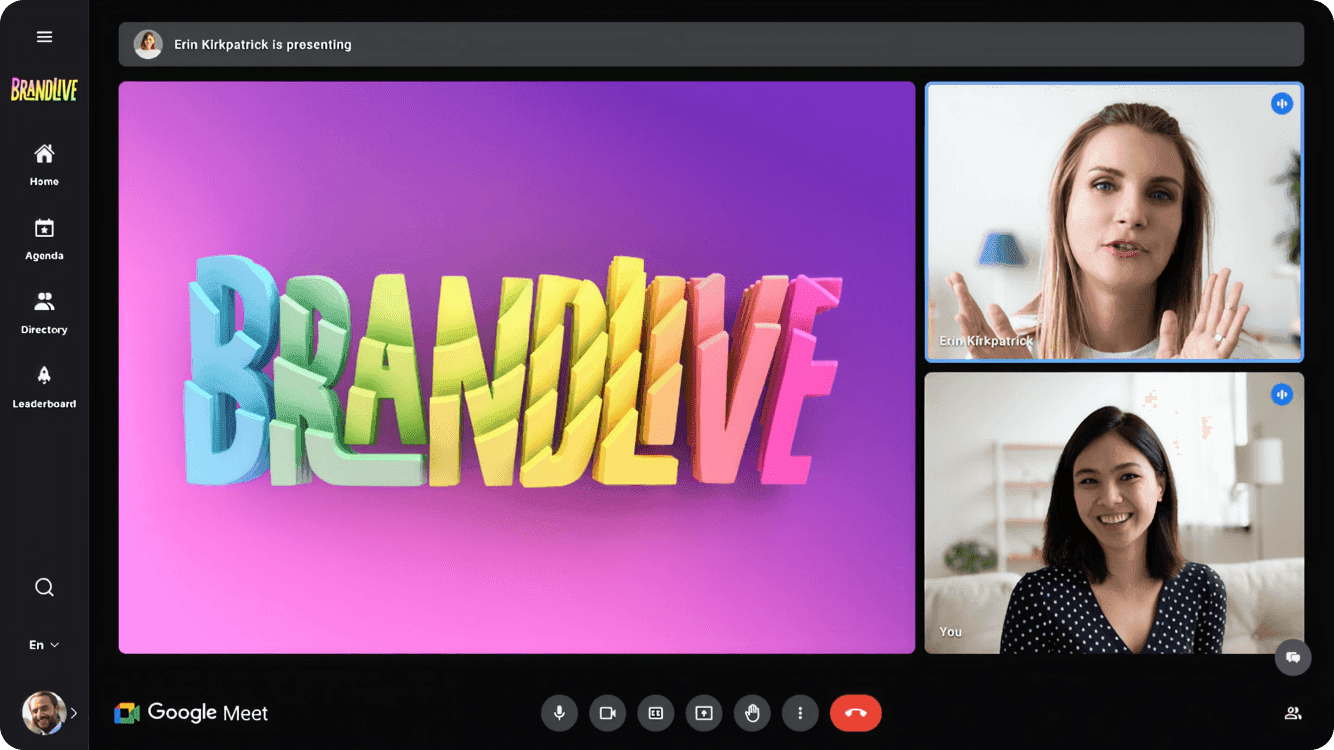
Brandlive is a live video platform built for enterprise event teams — combining broadcast-grade production, audience engagement, and analytics into one branded surface. The kind of platform that runs a 1M-attendee keynote in the morning and a 50-person town hall in the afternoon on the same infrastructure.

02

Impact

During 3 years, I actively contributed to the company’s success which measures in 50,000+ events, 100 mln+ viewers and more than 700 customers such as

Brandlive customer logos

Shipped projects · selected highlights

03

analytics

AI

assistant

analytics AI assistant

Hosts query event performance in plain English instead of navigating eight analytics tabs to find one number. Trend detection and summary generation built into the same conversational surface.

analyticsconversational uiaI
IdeaSolution

Step 01 / 05

The process

Requirements

Gathered initial input from the product team: “Users want more personalized and meaningful stats — could AI make this possible?” Defined success metrics around clarity, usability, and personalization depth.

First iteration
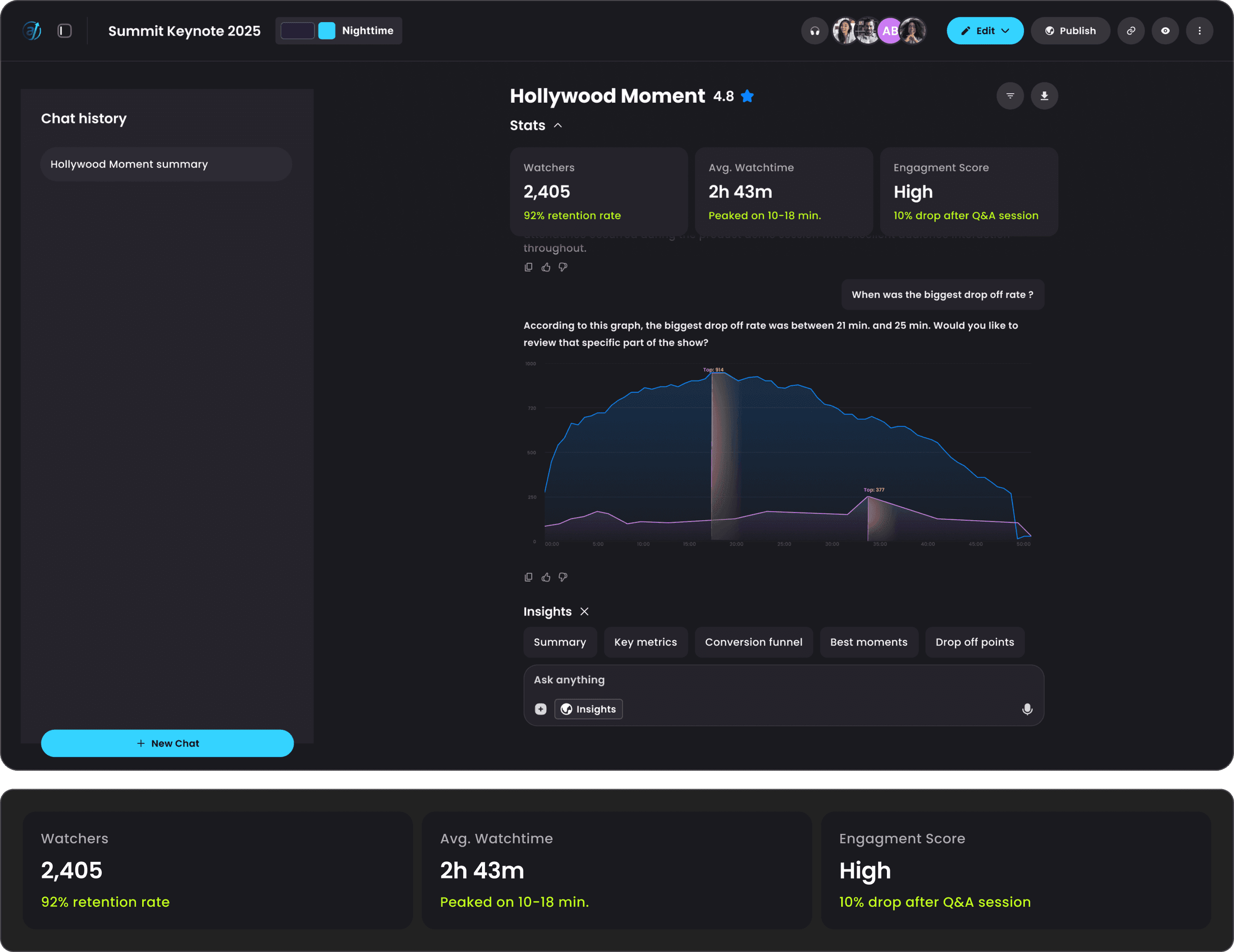
analytics AI assistant first iteration
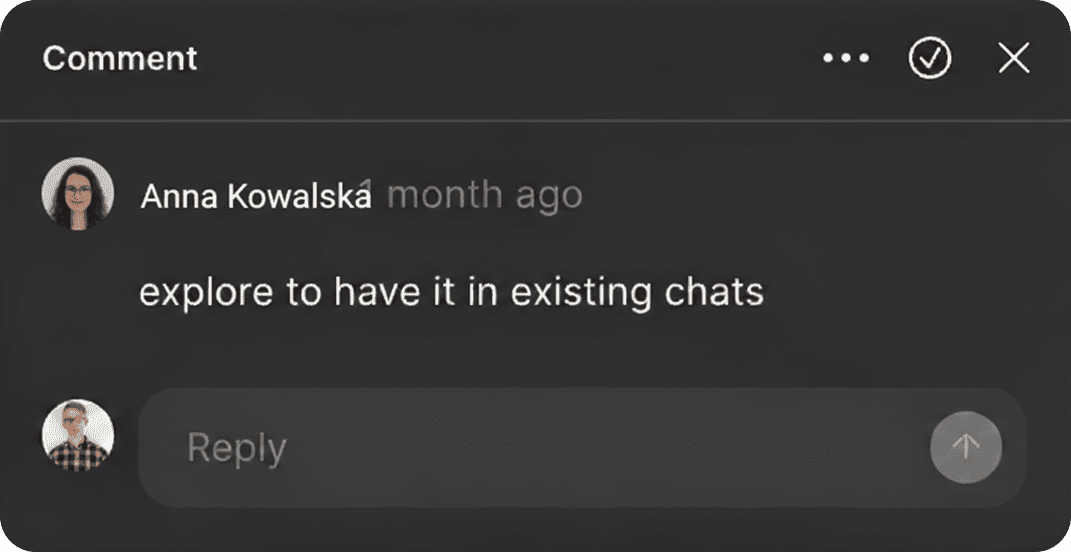
analytics AI assistant comment 1
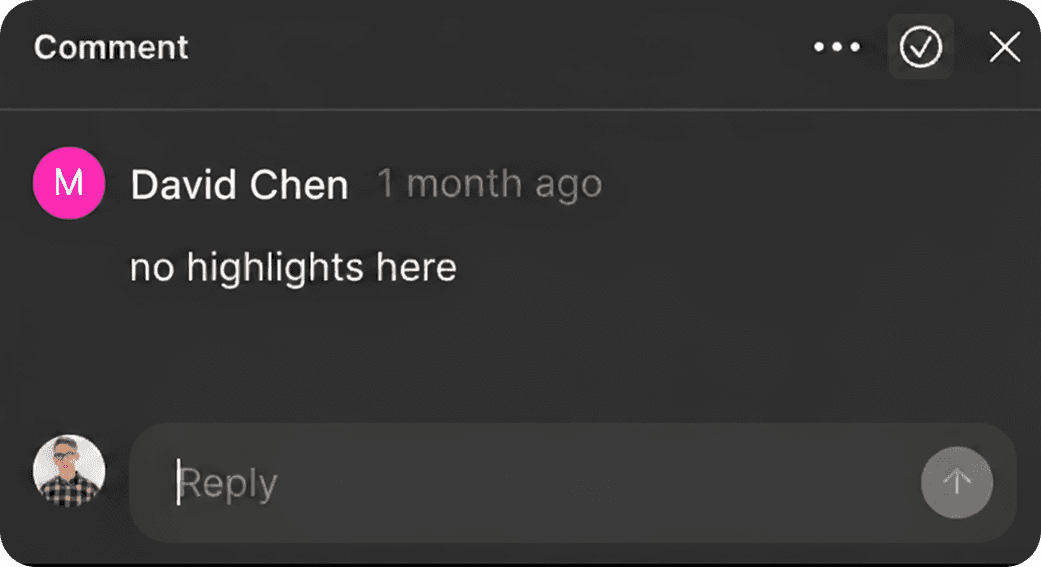
analytics AI assistant comment 2
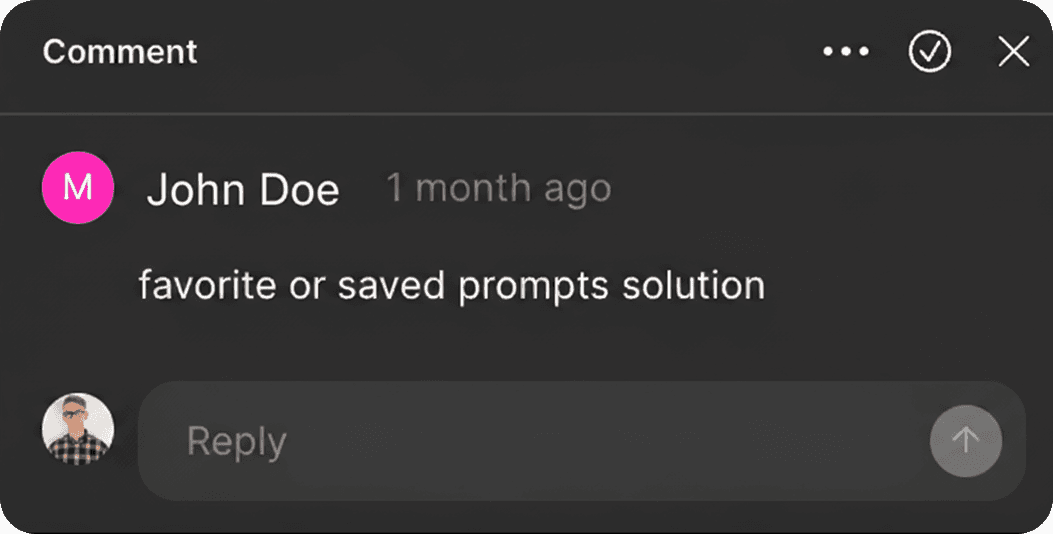
analytics AI assistant comment 3

Final UI

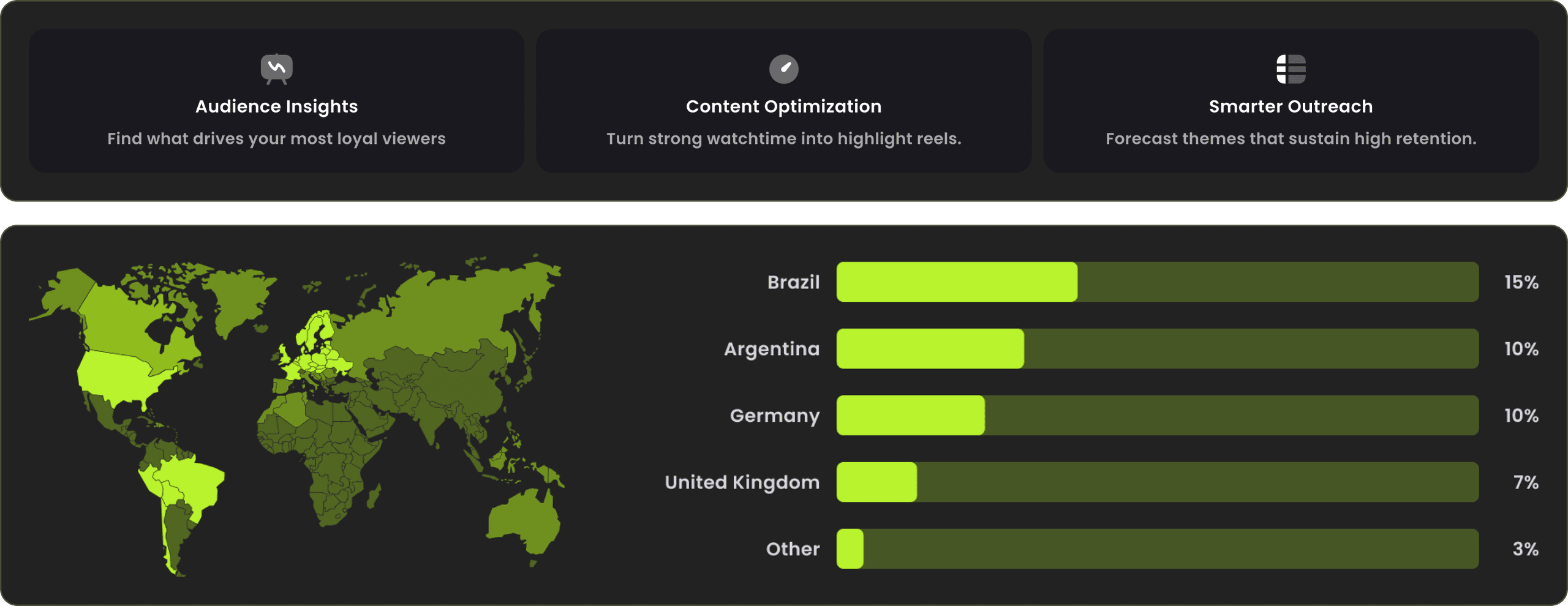
analytics AI assistant final UI

Outcome

Time-to-insight goes from clicking through eight analytics tabs to typing one question. Analytics stop being a post-event ritual and become a between-event decision tool — the moment hosts start opening the dashboard to plan, not just to report.
04

custom

watermarks

custom watermarks

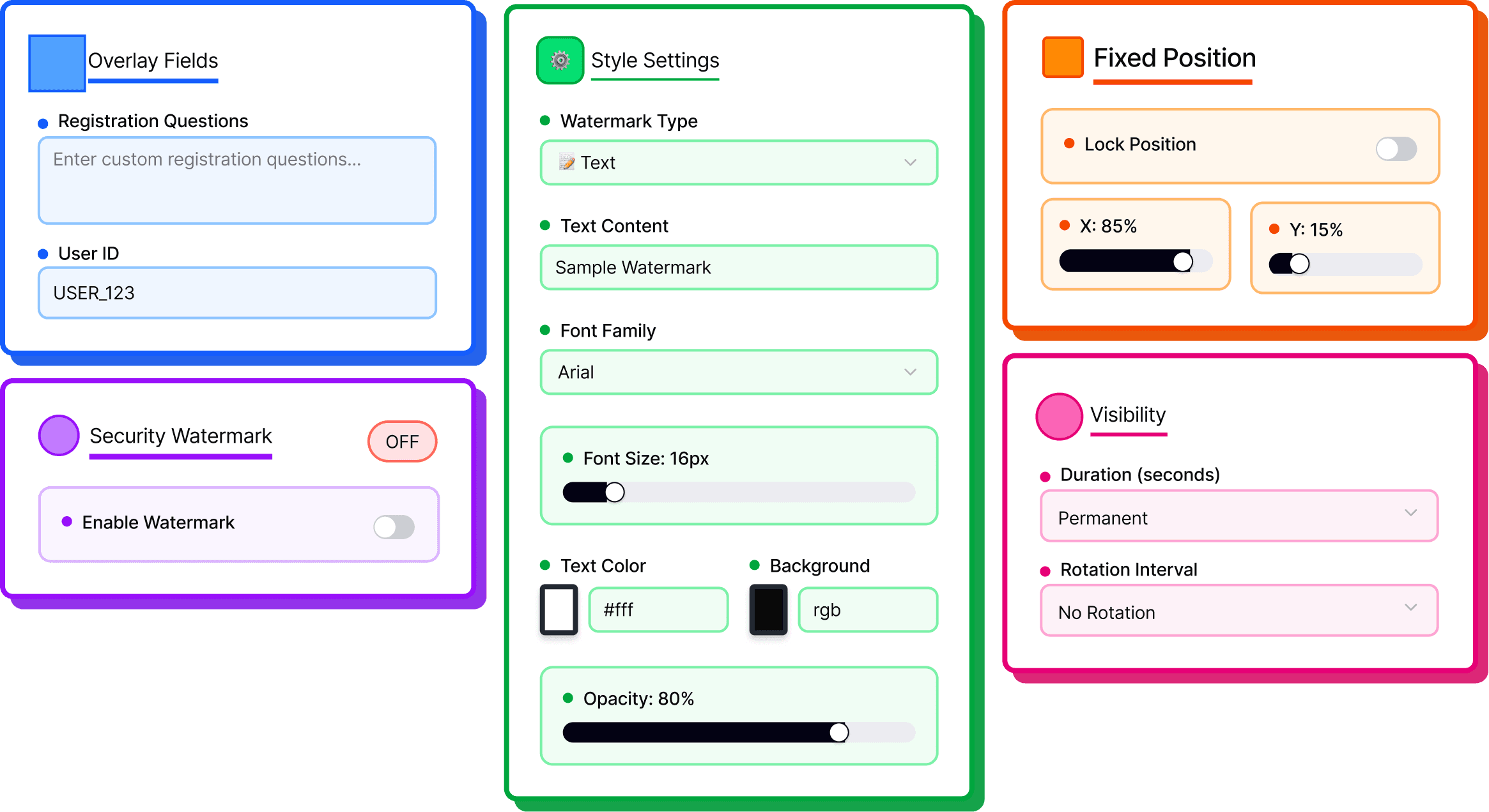
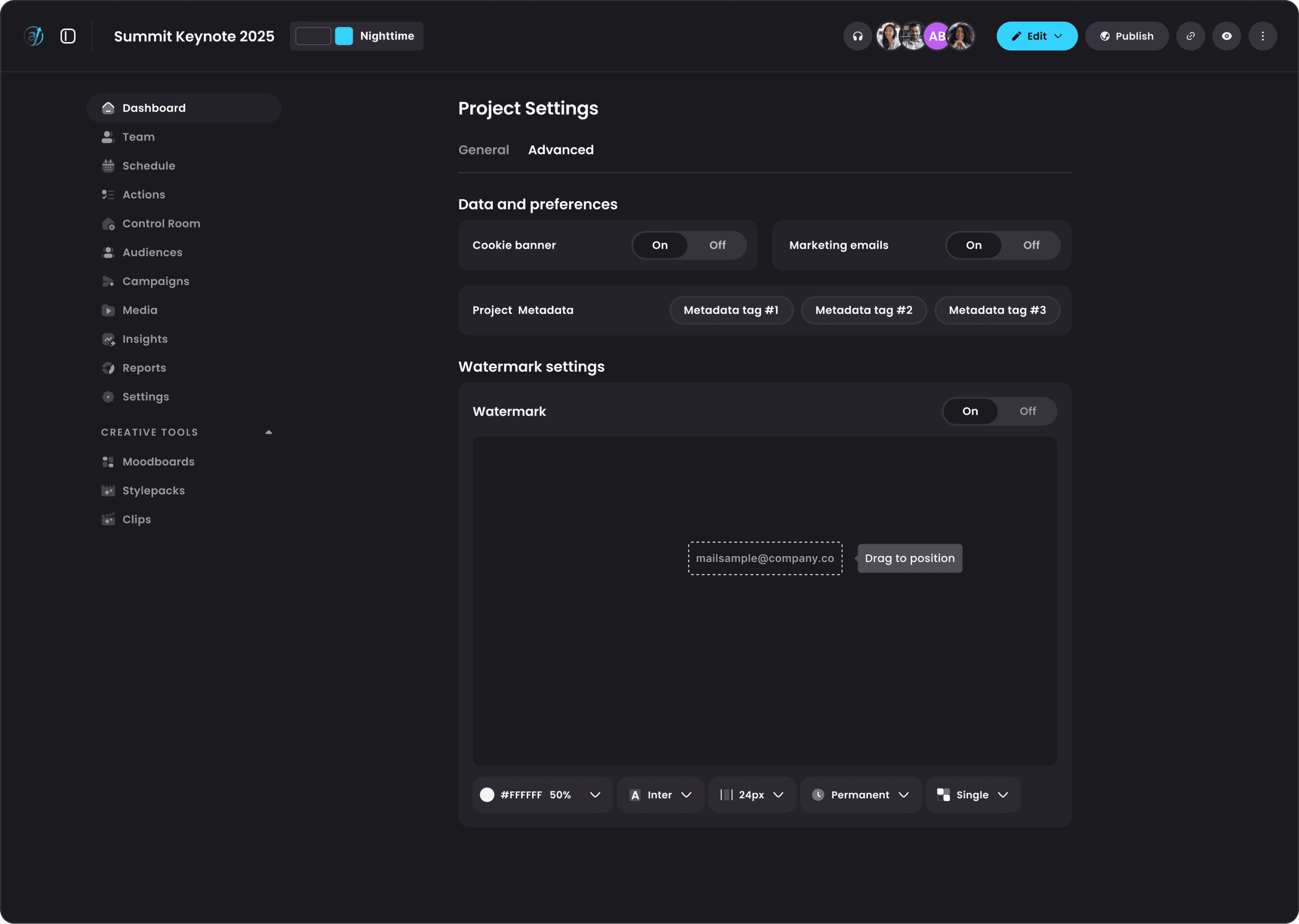
Per-participant watermarks for broadcast and recording. Solves enterprise leak risk without making producers configure twelve fields — fast to switch on, audit trail by default.

securitybroadcastoverlaysdata protection
IdeaSolution

Step 01 / 05

The process

Requirements & REserch

Request: a custom watermark feature for broadcast security — allowing to overlay participant-specific details or branded text. Explored how platforms like Dropbox and Skiff approach watermarking.

Watermark settings sketches

Watermark settings sketches

First iteration

custom watermarks first iteration

Final UI

Outcome

Compliance becomes a feature producers actually enable, not one they skip. Low-friction by design, so the watermark ships on the broadcast it's supposed to protect — not the broadcast after, when the leak is already public.

05

Brand

Tv

sites

Brand Tv sites

Site preview surfaces let producers see how Brand TV templates render with real content before they commit. The interaction balances template variety against content saturation — versatility producers can navigate, not drown in.

streamingtemplatescontent management

Outcome

Template selection moves from a guessing game to a confident decision. Producers pick the template because it fits — not because they have to. The kind of unblocking that turns one-time users into repeat shippers.

06

Creative

boards

Creative boards

A moodboard tool for live event production. Drop in inspiration images → extract a brand palette → registration pages, overlays, and broadcast UI all restyle in one move. Producers stop reverse-engineering brand themes from PDFs.

ThemesAPi integrationcreative tools

Outcome

Theme creation moves from a designer-bottleneck workflow to a self-serve producer flow. Producers ship branded events without filing a design ticket — the kind of unblocking that turns pilot users into power users.

Final

thoughts

Final thoughts

Three years of design ownership across a platform that scaled from $13M to $23M in revenue during my tenure, landed enterprise customers like GoPro, Adidas, Levi's, Pottery Barn, and Marmot, and shipped a Google Meet partnership that brought 1M-attendee events to Workspace customers.

Design didn't make those numbers alone — sales, product, engineering, and the broader team did. But design made the platform legible enough for enterprise buyers to trust, consistent enough that growth didn't mean breaking patterns, and fast enough for organizers to ship events in hours instead of days.

The design problem at platform scale is rarely the screen — it's the system the screens belong to. Cohesion isn't a deliverable. It's the discipline of shipping each new pattern as if it has to live with every pattern that came before.

End-to-end design ownership isn't a job title. It's living with the consequences of every decision you make.

Scroll to top